
Specialized Services
Cross-Docking in Atlanta
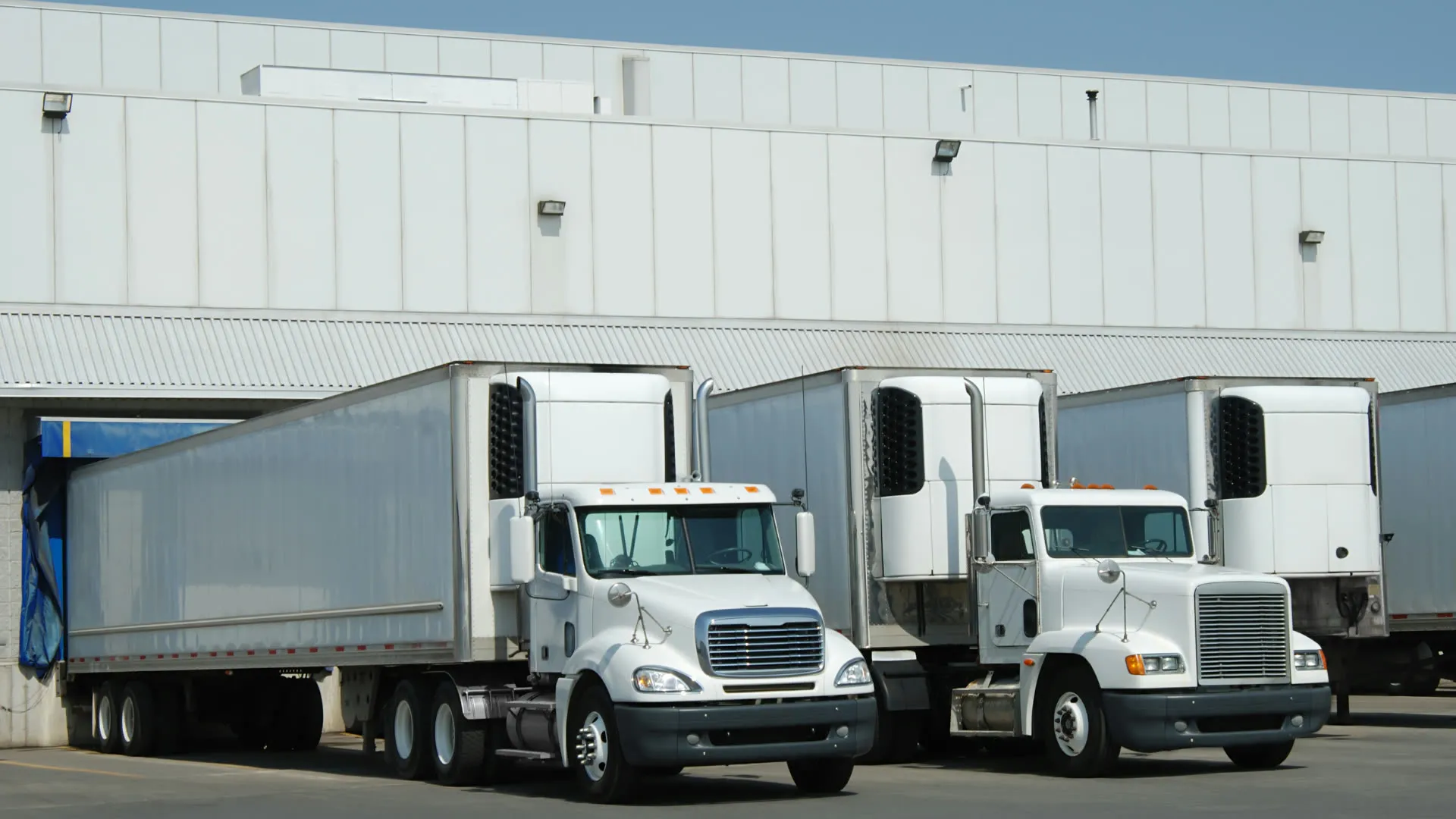
Efficient cross-docking at our Atlanta facility: freight received, sorted, and loaded straight onto outbound trucks, with little or no time in storage.
What is cross-docking?
Cross-docking is a logistics strategy that minimizes the time products spend in a warehouse. Freight arrives at a cross-dock facility, is sorted, and goes straight back out to its final destinations. Bypassing traditional storage and minimizing handling cuts costs and speeds up delivery.
At our 80,000 square foot Atlanta facility, dedicated cross-dock lanes move products from one truck to another, or from a railcar to trucks, without long-term storage. That eliminates the costs of double handling, inventory holding, and warehousing, and the savings go to you.
Our team coordinates the entire process, from the inbound appointment to the outbound truck, so products reach their destination quickly and efficiently. And because we book the trucks on both sides of the dock, nothing falls between vendors.
The advantages of cross-docking
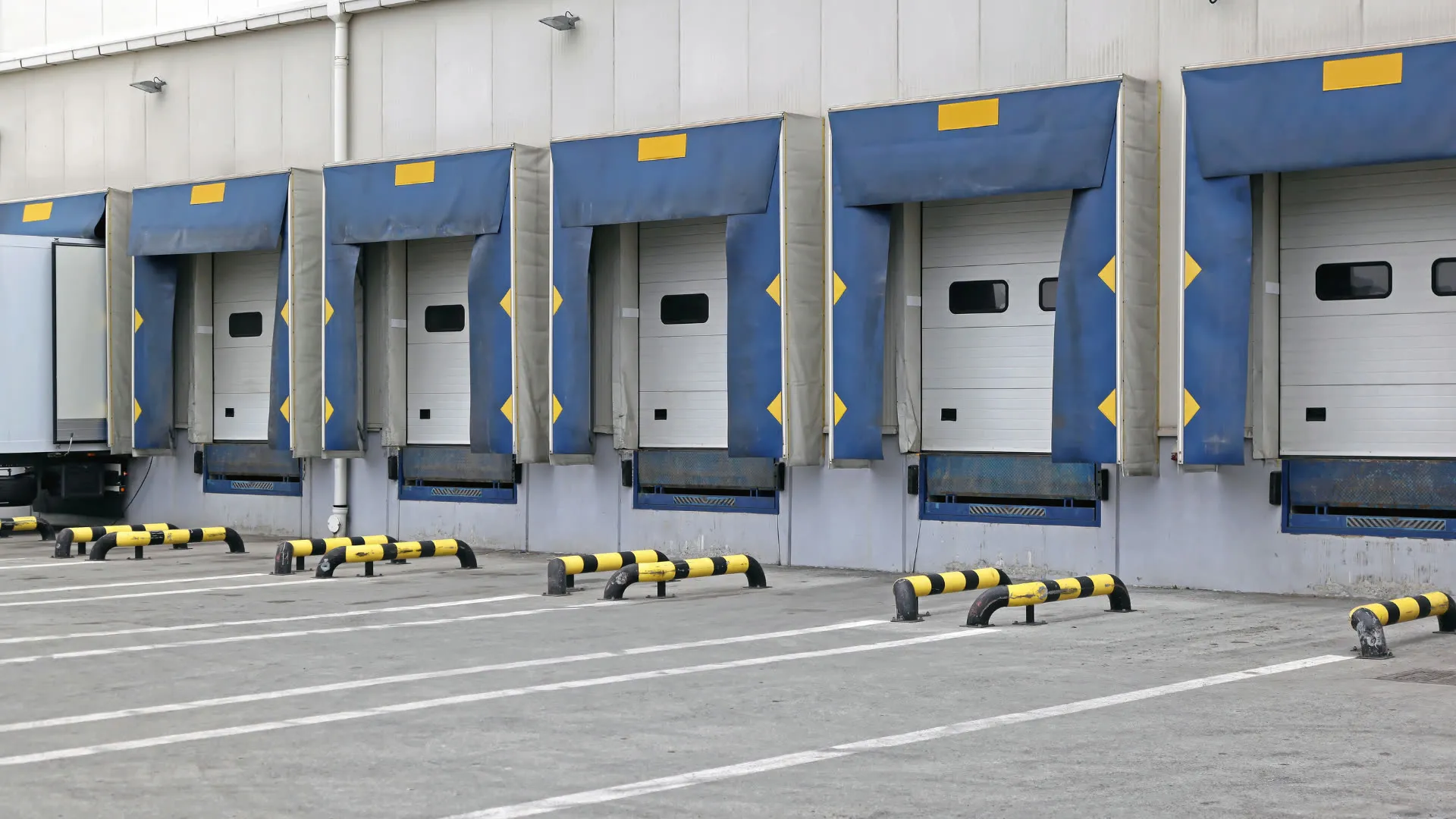
Cross-docking reduces warehousing costs, speeds delivery, improves efficiency, lowers the risk of damage, and brings environmental benefits.
Reduced warehousing costs
By minimizing or eliminating warehouse storage, cross-docking significantly lowers storage and inventory costs.
Faster delivery times
With products moving quickly from the inbound dock to the outbound dock, delivery times shrink and your customers receive their orders sooner.
Improved efficiency
Cross-docking simplifies the supply chain and reduces the number of touchpoints, for a leaner, more streamlined logistics process.
Less risk of damage
Fewer touchpoints and less handling mean less risk of product damage, and a better experience for the end customer.
Environmental benefits
Shorter storage times and a more efficient supply chain can lower energy consumption and reduce carbon emissions.
Cross-docking or transloading?
Both streamline the logistics process, and we do both at our Atlanta facility. The difference is what happens to the freight between inbound and outbound.
| Factor | Cross-docking | Transloading |
|---|---|---|
| What it does | Transfers products from inbound to outbound transportation | Moves freight between different transportation modes, such as rail to truck |
| Storage time | Little to none | May need brief interim storage |
| Inbound freight | Pre-sorted loads, already labeled for specific destinations | Shipments arriving from multiple origins, sorted and consolidated |
| Focus | Minimal handling and storage time, to speed throughput | Efficient end-to-end transit, using a mix of transport modes |
| Typical use | Store replenishment, just-in-time parts, fast-moving goods | Imported containers moving on by domestic truck or rail |
Cross-docking
- What it does
- Transfers products from inbound to outbound transportation
- Storage time
- Little to none
- Inbound freight
- Pre-sorted loads, already labeled for specific destinations
- Focus
- Minimal handling and storage time, to speed throughput
- Typical use
- Store replenishment, just-in-time parts, fast-moving goods
Transloading
- What it does
- Moves freight between different transportation modes, such as rail to truck
- Storage time
- May need brief interim storage
- Inbound freight
- Shipments arriving from multiple origins, sorted and consolidated
- Focus
- Efficient end-to-end transit, using a mix of transport modes
- Typical use
- Imported containers moving on by domestic truck or rail
Moving an import container into domestic trailers? See container transloading.
Who uses cross-docking?
Cross-docking serves a wide range of shippers, including:
Retailers
Large retail chains cross-dock to distribute products to their stores quickly, keeping storage costs down and inventory flowing steadily.
E-commerce businesses
Online retailers benefit from the shorter delivery times and improved efficiency that cross-docking brings to order fulfillment.
Perishable goods suppliers
Suppliers of perishable items, such as food or flowers, rely on cross-docking to minimize storage time and protect product quality.
Automotive and manufacturing
Manufacturers use cross-docking to manage just-in-time deliveries of parts and materials, keeping production running smoothly.
Our Atlanta warehouse does not handle hazardous materials or perishables. For those, we arrange direct moves through our refrigerated freight and hazardous materials services.
When to cross-dock
Cross-docking is an ideal solution when:
- Products have a high turnover rate or a short shelf life, such as high-demand items.
- Shipments are pre-sorted and bound for specific locations, so they can be distributed without additional handling.
- The supply chain is well organized and synchronized, with smooth coordination between suppliers, carriers, and distributors.
- Inbound freight arrives by truck or rail and needs to leave by truck within a short window.
What does cross-docking solve?
Cross-docking is a highly efficient logistics solution that addresses several supply-chain concerns at once: it lowers storage and inventory costs, speeds deliveries to keep customers satisfied, and simplifies complex processes. It is an effective solution when:
- Reducing storage and inventory costs is a priority.
- Faster delivery is essential to customer satisfaction and keeping up with demand.
- The supply chain is complex and you want a more streamlined process.
- Product damage and excess handling are a concern.
- Environmental factors, such as energy use and carbon emissions, matter in your logistics decisions.
Picture a retailer restocking stores across the Southeast. Truckloads from several suppliers arrive at the cross-dock, are broken down and re-sorted by store, and leave on outbound trucks bound for each location, so no product waits in storage along the way.
Routing freight through Atlanta? Get a cross-docking quote and we will plan both sides of the dock.
Cross-docking FAQ
How does cross-docking work in a typical supply chain?
Products arrive at a cross-dock facility, where they are quickly sorted and loaded directly onto outbound transportation for delivery to their final destinations. The process bypasses traditional storage and minimizes handling, for a more streamlined and efficient operation.
What infrastructure does cross-docking need?
A well-organized cross-dock terminal with the right equipment, such as conveyor systems, sorting technology, and docking bays for both inbound and outbound transportation. Just as important is seamless coordination between suppliers, carriers, and distributors.
Is cross-docking suitable for all types of products?
It works for a wide range of products, and best for items with high turnover rates, short shelf lives, or loads that are pre-sorted for specific destinations. It may not suit products that need extensive sorting or consolidation before distribution.
Can you cross-dock freight that arrives by rail?
Yes. Our Atlanta facility transfers products from one truck to another, or from a railcar to trucks, without long-term storage. Tell us when the freight arrives and where it is headed, and we will line up the outbound trucks.
What if my freight needs to be stored after all?
We offer short- and long-term warehousing in Atlanta, so freight that cannot go straight back out can wait in the same building until it is ready to ship.
Get Moving
Ready to move your freight?
Tell us the origin, destination, and what you are shipping. We will quote it and get it on a truck.