
Less-Than-Truckload Shipping
LTL Freight
Simplify your LTL freight shipping and save. Less-than-truckload moves shipments that do not fill a trailer, priced so you pay for the space you use, not the space you do not.
Nationwide LTL shipping
RS Group arranges nationwide less-than-truckload (LTL) shipping for businesses of every size. Our experienced team works to deliver each shipment on time and within budget, matched to a carrier from our 6,200+ partner network that runs the lane well.
We track every LTL shipment from pickup to delivery and manage the details that decide whether it goes smoothly: an accurate freight class, the right accessorials, and a dispatch team that catches problems before they become claims. Whether you ship a single pallet or ten, you work with one logistics partner you can trust.
What are LTL shipments?
LTL stands for less than truckload: freight that does not need an entire trailer. Your shipment is consolidated with other LTL shipments to fill the truck, and every shipper on the trailer shares the cost of the trip. Booking LTL works a lot like booking an airline seat: you choose from several carriers and service levels to reach the destination.
LTL bridges the gap between parcel carriers and full truckloads. It suits freight that is too large or heavy for a parcel service but does not justify a dedicated 53-foot trailer, typically 150 to 15,000 pounds on 10 or fewer pallets. If your shipments fall in that range, LTL is usually the most economical way to move them.
Because your freight shares the trailer and may pass through carrier terminals along the route, LTL pricing depends on more than distance and weight. Freight class, density, dimensions, and accessorials such as a liftgate or a residential delivery all factor into the rate.
LTL is the best option when
- Your freight weighs more than 150 pounds, up to about 15,000.
- You are shipping 1 to 10 palletized or crated pieces.
- You do not need the entire trailer.
- You want affordable pricing, for a business shipment or a personal one.
- You can flex your pickup and delivery dates by a day or two.
LTL at a glance
- Shipment weight
- 150–15,000 lb
- Freight that does not need a whole trailer
- Pallets
- Up to 10
- Palletized, crated, or boxed
- Carrier partners
- 6,200+
- Matched to your lane and your freight
Freight Services
Advantages of LTL
Quick, hassle-free booking
Book as soon as the freight is ready. There is no waiting to build a full load for a region and no half-empty truck, so your goods reach the consignee sooner.
Safe and secure
LTL freight is palletized, wrapped, and secured before it loads. We confirm the packaging and the class up front, so it arrives the way it left.
Small loads, nationwide
Move smaller loads across the country cost-effectively, so a small business can ship profitably without waiting to fill a trailer.
Lower transportation costs
Sharing a trailer is often far less expensive than a full truckload on the same lane. Fewer trucks and less fuel per shipment cut the cost for everyone on board.
Multiple shipping options
Standard, guaranteed, and expedited service levels, plus accessorials such as liftgate and inside delivery, let you plan each shipment around your schedule.
One point of contact
The same RS Group dispatch team owns the shipment from pickup to proof of delivery.
Equipment
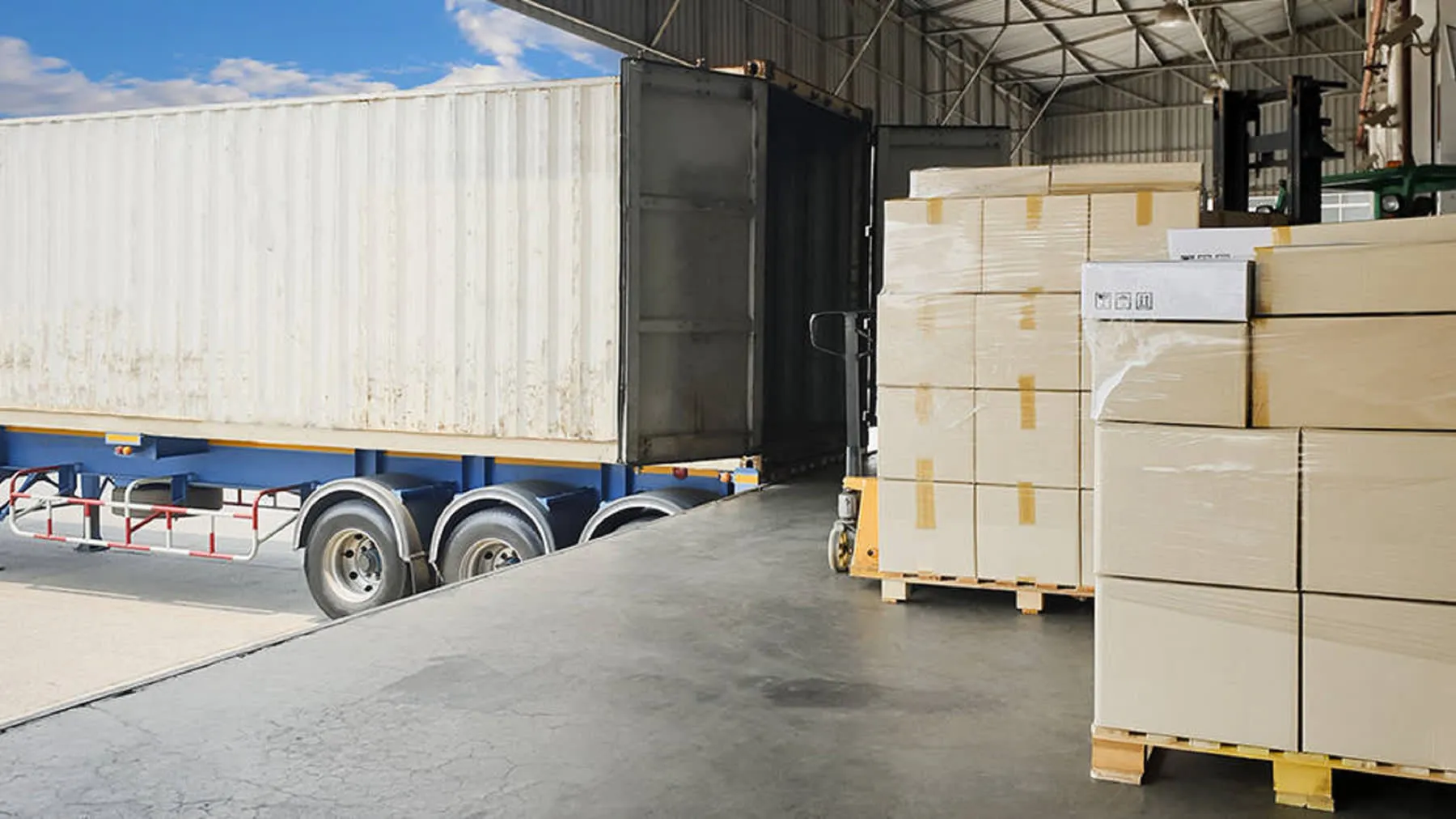
Equipment used for LTL
The right equipment depends on your freight, its size, and the delivery site. We match each shipment to carriers running the equipment it needs:
- Dry van trailers: the most common LTL trailer, enclosed to protect freight from the elements.
- Flatbed trailers: an open deck for freight too large or irregularly shaped for a dry van.
- Refrigerated trailers: a refrigeration unit holds a consistent temperature for the whole trip. See refrigerated freight.
- Liftgate trucks: a hydraulic liftgate at the rear lifts and lowers heavy freight where there is no loading dock.
- Straight trucks: smaller than a tractor-trailer, for local and regional deliveries, residential areas, and sites with limited access.
Carrier partners
LTL carriers we ship with
We compare LTL rates across our network, including these national and regional carriers. Each profile has an overview of the carrier and how to track a shipment.
- Saia Headquartered in Johns Creek, GA Overview and tracking
- TForce Freight Headquartered in Richmond, VA Overview and tracking
- R+L Carriers Headquartered in Wilmington, OH Overview and tracking
- XPO Headquartered in Greenwich, CT Overview and tracking
- AAA Cooper Transportation Headquartered in Dothan, AL Overview and tracking
- ABF Freight Headquartered in Fort Smith, AR Overview and tracking
- Estes Express Lines Headquartered in Richmond, VA Overview and tracking
Liability and claims
Carrier liability and freight claims
An LTL carrier’s liability for loss or damage is limited. The limit varies by carrier and by freight class, is often figured per pound, and can be well below what your goods are worth. Four habits protect you:
- Inspect at delivery. Check the freight before you sign, and write any damage or shortage on the delivery receipt.
- File promptly. Report loss or damage right away and file the claim within the carrier’s deadline, with the bill of lading, the delivery receipt, photos, and the invoice for the goods.
- Keep the packaging. If you find damage after unpacking, report it as soon as you find it and hold on to the packaging for inspection.
- Cover the full value. If the carrier’s limit is less than the freight is worth, consider declared value with the carrier or cargo insurance. Ask us when you request a quote.
Good packing prevents many claims in the first place: our guide on how to ship a pallet covers palletizing, wrapping, and labeling. If a shipment arrives damaged or short, tell our team right away.
Freight class and density
Every LTL shipment carries a freight class, and that class is one of the biggest drivers of your rate. For density-rated freight, the class comes from density, your shipment weight divided by its cubic feet, on the NMFC’s current density scale. A denser shipment usually earns a lower class and a lower rate.
Getting the class right up front avoids re-classification fees and billing adjustments after the fact. If you are not sure of your density, our calculator does the math in seconds, and the freight class lookup turns it into an estimated class.
Freight density calculator
- Length × Width × Height ÷ 1,728 = cu ft
- Weight ÷ Total cubic feet = lbs / cu ft
FAQ
LTL questions, answered
How is my LTL rate calculated?
Your rate is built from the origin and destination, the freight class, the weight and dimensions, and any accessorials such as a liftgate or residential delivery. Class is driven mostly by density, so an accurate weight and dimension set is the fastest way to an accurate quote.
What is a freight class and how do I find mine?
Freight class is a number that groups freight by how easy it is to transport. For density-rated freight, the NMFC’s density scale sets it, from class 50 at 50 lb per cubic foot or more to class 400 under 1 lb; many commodities have their own NMFC item instead. Our freight density calculator gives you your density in seconds, which points you at the class. When in doubt, send us the dimensions and weight and we will confirm it.
How long does LTL delivery take?
LTL transit depends on the lane and the carriers on it. Because freight is consolidated at terminals along the route, LTL is usually a day or two longer than a dedicated truckload. When a shipment cannot wait, ask us about expedited ground.
Can LTL deliver to a home or a site without a loading dock?
Yes. Tell us when you request a quote, and we add residential delivery and a liftgate so the carrier sends the right truck. Booking those up front avoids a surprise charge or a failed delivery.
When is partial truckload a better fit than LTL?
When a shipment outgrows LTL. Partial truckload suits 5,000 to 40,000 pounds on 5 to 14 pallets, and because it shares a trailer with fewer shipments, it usually sees less handling along the way. We quote both when a shipment sits near the line.
What do I need to get an LTL quote?
The origin and destination ZIP codes, the total weight, the dimensions or pallet count, the freight class if you know it, and any special handling such as a liftgate or a residential address. Send what you have on the quote form and we will fill in the rest.
Get Moving
Ready to move your freight?
Tell us the origin, destination, and what you are shipping. We will quote it and get it on a truck.