
Standard Freight Services
Drayage Solutions
Logistics for short distances: containers moved between ports, rail ramps, warehouses, and distribution centers, coordinated by one team from the Port of Savannah to Atlanta.
RS Group can help
Need to move a container from the port?
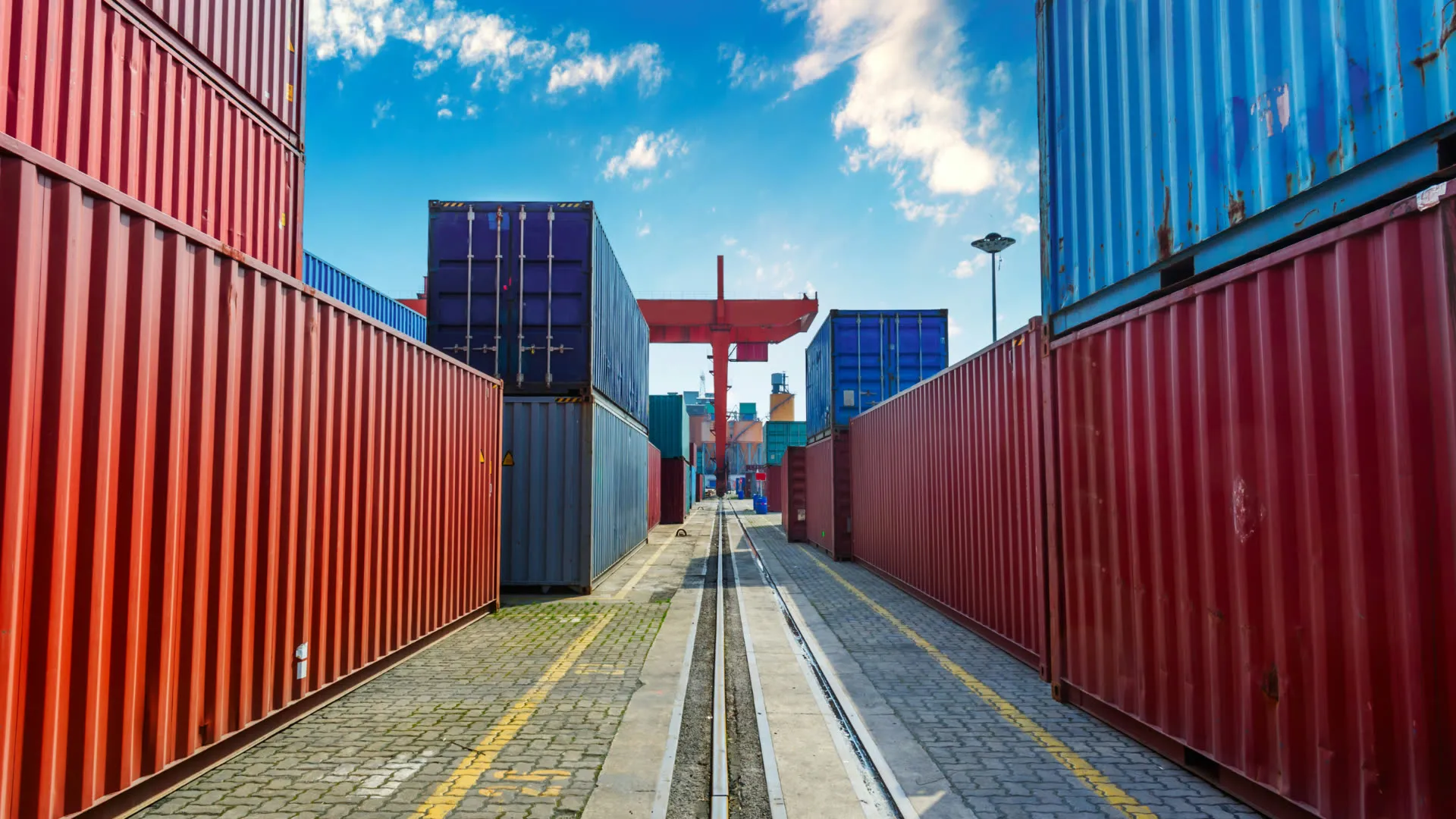
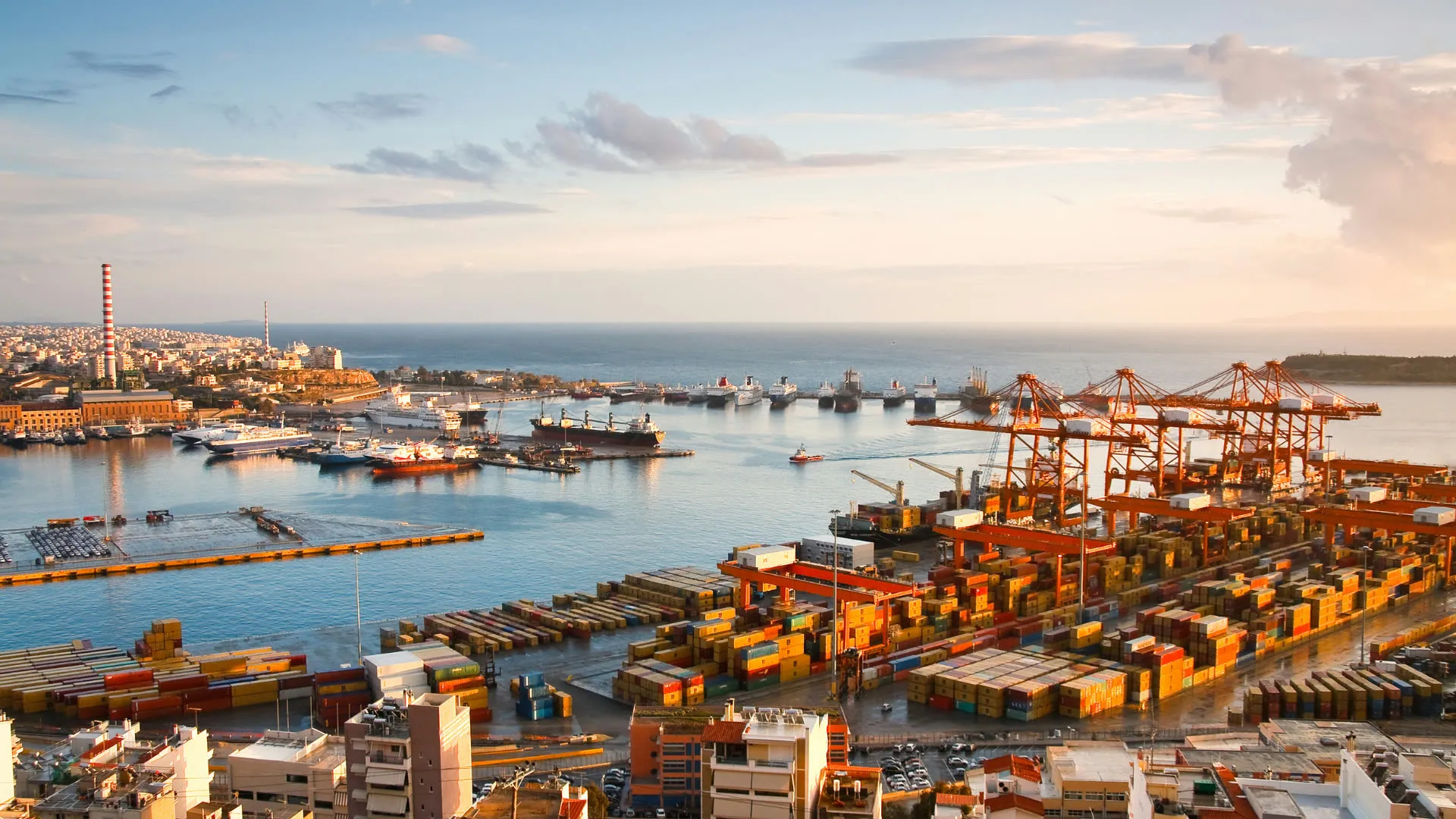
Drayage is the short-haul trucking that moves shipping containers between a seaport or rail terminal and a nearby warehouse or distribution center. It is the first and last mile of nearly every import and export, connecting ocean, rail, and road so goods keep moving through the supply chain.
Our network provides intermodal drayage between ports, rail ramps, warehouses, and distribution centers. Our team works with you to find the most efficient and cost-effective way to move your cargo: by truck, by rail, or by a combination of both.
Whether you are moving standard containers, oversized cargo, or temperature-sensitive goods, we have the equipment and expertise to handle it, and a team that stays on each container until it is delivered. Every year we process more than 1,400 containers.
Have a container on the way? Email our drayage desk at drayage@shiprsg.com or request a drayage quote.
Drayage services we offer
Three ways we keep containers moving between the water, the rails, and your dock.
Warehouse to port
Timely transport between your warehouse and the port is critical to the success of any import or export program. We move export containers to the terminal ahead of their sailing and bring import containers off the port to your dock, backed by a logistics network we have invested in heavily.
Intermodal
Intermodal transportation moves your goods across more than one mode, such as rail and truck, in the same container, efficiently and cost-effectively. We coordinate the truck legs at each end and the hand-offs in between, through a network of transportation partners built for seamless, reliable service.
Truck to rail
For long distances, transferring containers from truck to rail moves large volumes quickly and cost-effectively across the country. Trains also emit far less per ton of cargo than trucks alone, which makes rail the more sustainable choice for long-haul freight.
From the Port of Savannah to Atlanta
A large share of the Southeast’s import freight arrives through the Port of Savannah, about 256 miles from our warehouse on Atlanta’s south side. We move containers on that lane in both directions: imports inland to Atlanta-area warehouses and distribution centers, and exports back to the terminal ahead of their vessel.
The clock starts when a container comes off the ship. It has only so much free time at the terminal before storage charges begin, so we plan the pickup, the road leg, and the delivery appointment together, and we tell you right away if a terminal delay puts a date at risk.
The RS Group advantage
Choosing RS Group for drayage brings five practical benefits.
Predictable moves
A planned drayage move gives your container a dependable path off the port. We schedule pickups around terminal appointments, so you know when the container will leave and when it will reach your dock.
Cost-effective
Our drayage offers an economical way to move containers from Savannah to Atlanta and between ports and inland points, so your supply chain stays cost-efficient.
Professional handling
Our team is well versed in handling containers, so your cargo is treated with care and professionalism through every stage of the move.
Seamless integration
Drayage fits into your overall logistics plan, making it easy to coordinate container moves between ports, rail terminals, and warehouses, including our own Atlanta warehouse.
Clear communication
We keep you updated on the status of every container and answer concerns promptly, with one point of contact who owns the move from pickup to delivery.
Equipment and cargo transfers
Our carrier network includes the specialized equipment drayage depends on: chassis to carry standard containers over the road, reefer containers to hold temperature-sensitive cargo at its set point, and flatbed trailers for oversized freight that will not fit in a box.
Transportation is only half of it. When a container should not travel intact to its final destination, we cross-dock or transload the cargo at our 80,000 square foot Atlanta facility, so it can be broken down, checked, and put back on the road in the right trailer.
That combination is what streamlines a supply chain: one team that can pull a container off the port, unload it, and send its contents on as full truckload or LTL freight.
Pricing
What drives the cost of a drayage move
The trip from the terminal is only part of a drayage bill. These charges move the total most:
Chassis
A container rides over the road on a chassis, and chassis use is billed by the day, so a container that sits on its chassis keeps adding cost.
Pre-pull and yard storage
When a container has to leave the terminal before its delivery appointment, to beat the last free day, it is pre-pulled to a yard and stored. The extra move and the storage days add cost, though they can cost less than demurrage.
Overweight containers
A heavy container can need a special tri-axle chassis or an overweight permit, which add a surcharge. Tell us the gross weight up front.
Wait time
Drivers get a set amount of free time at the terminal and at your dock. Waiting past it is billed, and keeping the container past its free days adds detention.
Fuel
A fuel surcharge on top of the trip rate moves with diesel prices.
Most of these charges shrink with an early plan: tell us the last free day and the delivery appointment, and we schedule the pickup and the move around them.
What we need to quote a drayage move
Send what you have and we will fill in the rest. An accurate drayage quote usually starts with:
- The port or rail terminal where the container is, or where it needs to go.
- The pickup and delivery addresses, and any appointment times.
- The container number, size, and type (for example 20 or 40 foot, high cube, or reefer).
- The approximate cargo weight, and whether any of it is hazardous.
- The date the container is available, and the last free day at the terminal.
- Whether you need the container cross-docked or transloaded before final delivery.
Drayage FAQ
What is drayage?
Drayage is the transport of shipping containers over a short distance, between a port or rail terminal and a nearby facility such as a warehouse or distribution center. It connects sea, rail, and land transport so goods flow smoothly through the supply chain, and it is an essential part of intermodal freight.
What does a drayage company do?
A drayage company provides the trucks, chassis, and expertise to move containers efficiently and securely. It bridges the gap between transportation modes, so goods move seamlessly from the ship or train to the road and on to their destination.
What is drayage freight?
Drayage freight is the cargo inside the containers being moved: anything from consumer goods to industrial materials and machinery. It typically travels short distances on this leg, connecting one transportation mode to the next.
What is drayage trucking?
Drayage trucking is the truck leg of a container’s journey: a tractor pulls the container on a chassis between the terminal and its pickup or delivery point. Port drayage serves seaports, rail drayage serves rail ramps, and a single container may need both on its way inland.
What are demurrage and detention?
Both are charges for keeping a container too long. Demurrage applies when a loaded container stays at the terminal past its free time; detention applies when the container or chassis is kept outside the terminal past the agreed time. Scheduling the drayage move early is the best way to avoid them.
Get Moving
Ready to move your freight?
Tell us the origin, destination, and what you are shipping. We will quote it and get it on a truck.