
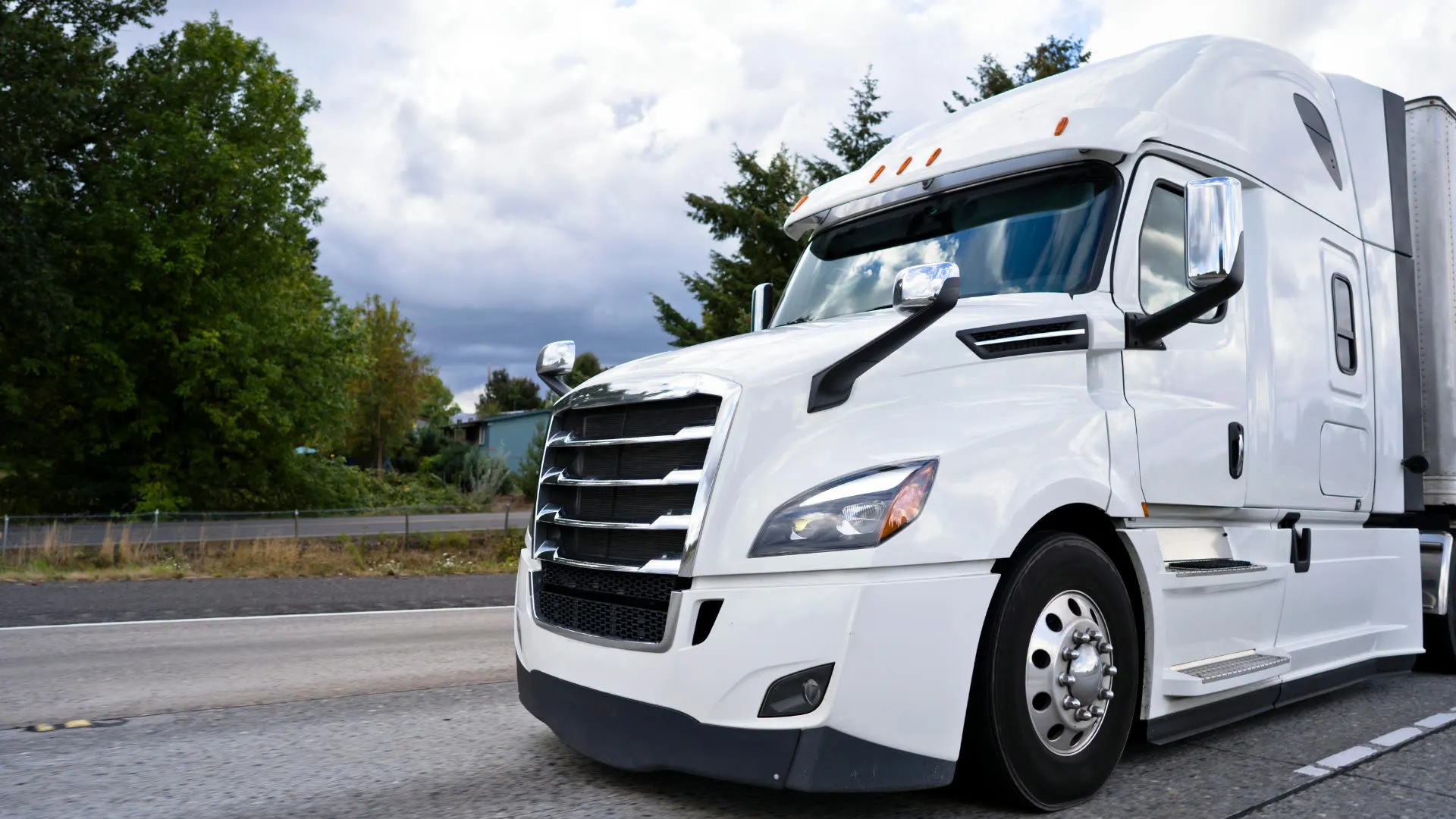
Standard Freight Services
Partial Truckload Shipping
Too big for LTL, too small to fill a trailer. Partial truckload moves 5,000 to 40,000 pounds with no terminal transfers, and you pay only for the space you use.
What is partial truckload (PTL)?
Partial truckload (PTL) is the freight mode for shipments that are larger than less-than-truckload (LTL) but smaller than a full truckload (FTL). It combines the cost-effectiveness of a truckload with the flexibility of LTL, which is why so many businesses with mid-sized loads rely on it.
A partial truckload typically weighs 5,000 to 40,000 pounds or fills 5 to 14 pallets. Your freight shares the trailer with a few other partial loads, and it stays on that trailer from pickup to delivery: no terminal transfers and no re-handling between dock and trailer, though the truck may stop along the way for the other loads.
RS Group books partial truckload across our network of more than 6,200 carrier partners. We find capacity on a truck already moving your way, so your rate reflects the space and weight your freight actually takes.
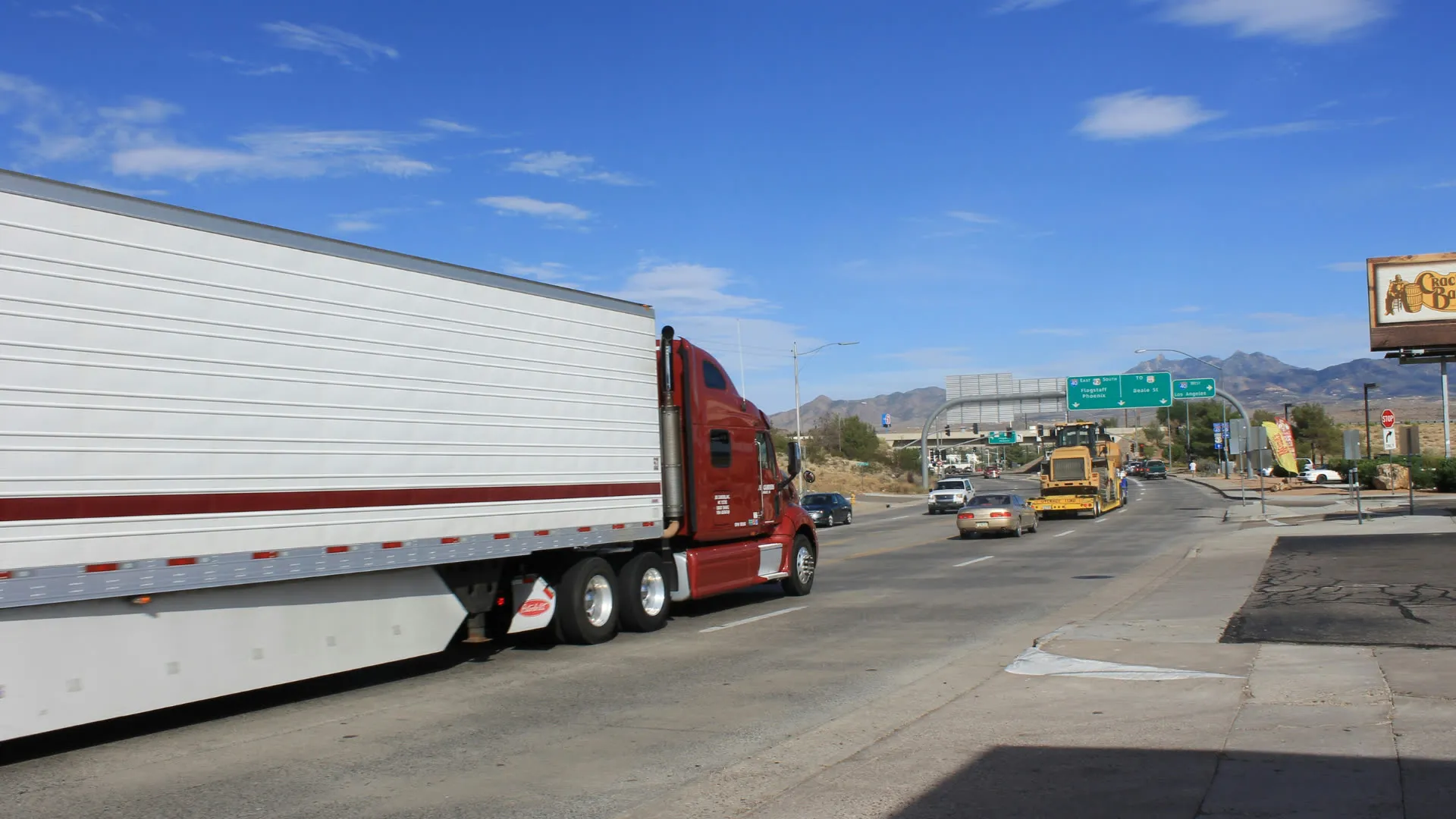
Partial truckload at a glance
- Shipment weight
- 5,000–40,000 lb
- Too large for LTL, too small for a full trailer
- Pallets
- 5–14
- Palletized, crated, or skidded freight
- Pickup to delivery
- One truck
- No transfers between dock and trailer
The advantages of partial truckload
Partial truckload sits between the two standard modes, and it takes the best of each.
Pay only for the space you use
You are billed for the trailer space and weight your shipment takes, not for an entire 53-foot trailer. For a mid-sized load that is often far less than a full truckload rate.
Faster than LTL
A partial load skips the consolidation and deconsolidation stops LTL freight makes at carrier terminals, so it usually arrives sooner and on a more predictable schedule.
Less handling, less damage
Your freight is loaded once and unloaded once. With no transfers from trailer to dock and back again, there are far fewer chances for loss or damage.
Simpler pricing
A partial truckload rate is usually built from the weight, the length of trailer your freight occupies, and the lane, rather than a freight class, so there is less risk of a re-classification charge after delivery.
Room for time-sensitive orders
Because it moves more directly, partial truckload suits time-sensitive shipments that still do not justify the cost of a dedicated truck.
Who ships partial truckload?
Partial truckload is common among businesses whose shipments are too big for LTL carriers but do not need a full truck: manufacturers, wholesalers, distributors, and retailers that ship larger quantities of goods on a regular basis.
It is also a strong choice for shippers that need faster transit or have time-sensitive orders, and for freight that should not be handled again and again: machinery, equipment, fragile goods, and bulky items that do not stack well with other freight.
Seasonal shippers lean on it too. When volume swells past what LTL handles comfortably but still falls short of a truckload, partial truckload covers the gap without a jump to full-trailer pricing.
Weighing it up? Our blog explains what partial truckload shipping is and sets out its pros and cons.
LTL or partial truckload?
Both modes can put more than one shipper’s freight on a trailer, but they move it very differently. Here is how less than truckload and partial truckload compare.
| Shipment | Partial truckload PTL | Less than truckload LTL |
|---|---|---|
| Typical weight | 5,000–40,000 lb | 150–15,000 lb |
| Pallets | 5–14 pallets | Up to 10 pallets |
| Load size | Larger loads that still do not fill a trailer | Smaller, lighter loads |
| Trailer space | Shared with a few other partial loads; the truck may stop for them | Consolidated with freight from many shippers |
| Handling | Loaded once, unloaded once: no transfers between dock and trailer | Handled at each terminal as freight is added and removed |
| Transit time | Faster and more direct | Standard, often slower, because freight is consolidated |
| Damage risk | Lower, with less handling | Higher, with more touchpoints |
| Priced on | Weight, trailer space, and lane | Freight class, weight, lane, and accessorials |
Partial truckload PTL
- Typical weight
- 5,000–40,000 lb
- Pallets
- 5–14 pallets
- Load size
- Larger loads that still do not fill a trailer
- Trailer space
- Shared with a few other partial loads; the truck may stop for them
- Handling
- Loaded once, unloaded once: no transfers between dock and trailer
- Transit time
- Faster and more direct
- Damage risk
- Lower, with less handling
- Priced on
- Weight, trailer space, and lane
Less than truckload LTL
- Typical weight
- 150–15,000 lb
- Pallets
- Up to 10 pallets
- Load size
- Smaller, lighter loads
- Trailer space
- Consolidated with freight from many shippers
- Handling
- Handled at each terminal as freight is added and removed
- Transit time
- Standard, often slower, because freight is consolidated
- Damage risk
- Higher, with more touchpoints
- Priced on
- Freight class, weight, lane, and accessorials
The ranges overlap between 5,000 and 15,000 pounds. In that zone the better mode depends on the freight’s density, dimensions, and deadline. Send us the details and we will recommend one.
When to use partial truckload
Partial truckload is a good option when your shipment is larger than LTL but does not need a whole trailer. It is usually the best fit when:
- Your shipment weighs 5,000 to 40,000 pounds or fills 5 to 14 pallets.
- You need faster transit than LTL without paying for a dedicated truck.
- The freight is fragile or high-value and should not be re-handled at terminals.
- Your freight is bulky or oddly shaped and does not stack well with other shippers’ freight.
- An LTL quote for several pallets is climbing toward the cost of a truck.
- You ship mid-sized orders on a regular schedule.
What sets partial truckload pricing
Several factors decide the price of a partial truckload shipment. Knowing them up front gets you an accurate quote and keeps surprises off the invoice.
Weight and size
The larger and heavier the shipment, the higher the cost. Weight and the length of trailer your freight occupies are the starting point for every partial truckload rate.
Type of freight
Hazardous materials, fragile items, and perishable goods may need special handling or packaging, which adds to the cost. See hazardous materials shipping.
Equipment
Freight that needs a flatbed or a temperature-controlled trailer is priced on that equipment. See refrigerated freight.
Delivery speed
An expedited delivery or a tight delivery window costs more than standard transit. For the most urgent freight, see expedited ground shipping.
Loading requirements
A liftgate, a pallet jack, inside delivery, or a delivery appointment can each add to the cost of a partial truckload shipment.
Lane and distance
The distance between origin and destination, and how much truck capacity is moving on that lane, shape the rate as well.
RS Group weighs each of these factors when we quote, and works to find competitive pricing on every shipment. Request a partial truckload quote.
Partial truckload FAQ
What types of goods are suitable for partial truckload shipping?
Goods that are too large or heavy for LTL but not enough to fill a truck. Partial truckload shipments typically weigh 5,000 to 40,000 pounds or fill 5 to 14 pallets: machinery, equipment, or large quantities of goods that do not need a full truckload.
What are the benefits of partial truckload compared with LTL?
Partial truckload is faster, because it skips the consolidation and deconsolidation stops LTL makes at terminals. Your freight is also less likely to be damaged or lost, since it never moves from trailer to dock and back. And for larger shipments that do not need a whole truck, it is often more cost-effective than LTL.
How does partial truckload differ from full truckload?
A partial truckload uses only part of a trailer, so you pay only for the space your shipment takes. A full truckload reserves the entire trailer for your freight, which costs more but may be necessary for the largest shipments.
How do I know if partial truckload is right for my business?
If your shipment weighs 5,000 to 40,000 pounds or fills 5 to 14 pallets, partial truckload could be your most cost-effective and efficient option. It is especially worth a look if you need faster transit times, or have time-sensitive freight that should move more directly than LTL allows.
Is partial truckload the same as volume LTL?
Not quite. A volume LTL quote is an LTL carrier’s rate for a large shipment, and the freight still moves through that carrier’s terminal network. A partial truckload rides on a truckload carrier’s trailer with a few other partial loads and stays on that trailer from pickup to delivery, with no terminal transfers, though the truck may stop for the other loads.
Get Moving
Ready to move your freight?
Tell us the origin, destination, and what you are shipping. We will quote it and get it on a truck.